Modern Italian Cuisine Trends 2026
Italian cuisine has always represented culture, creativity, and connection. From traditional family kitchens to modern restaurants worldwide, Italian food continues evolving through innovation, sustainability, and global influences. Today, people are searching for more than delicious meals, they want experiences, stories, and deeper meaning behind every dish.
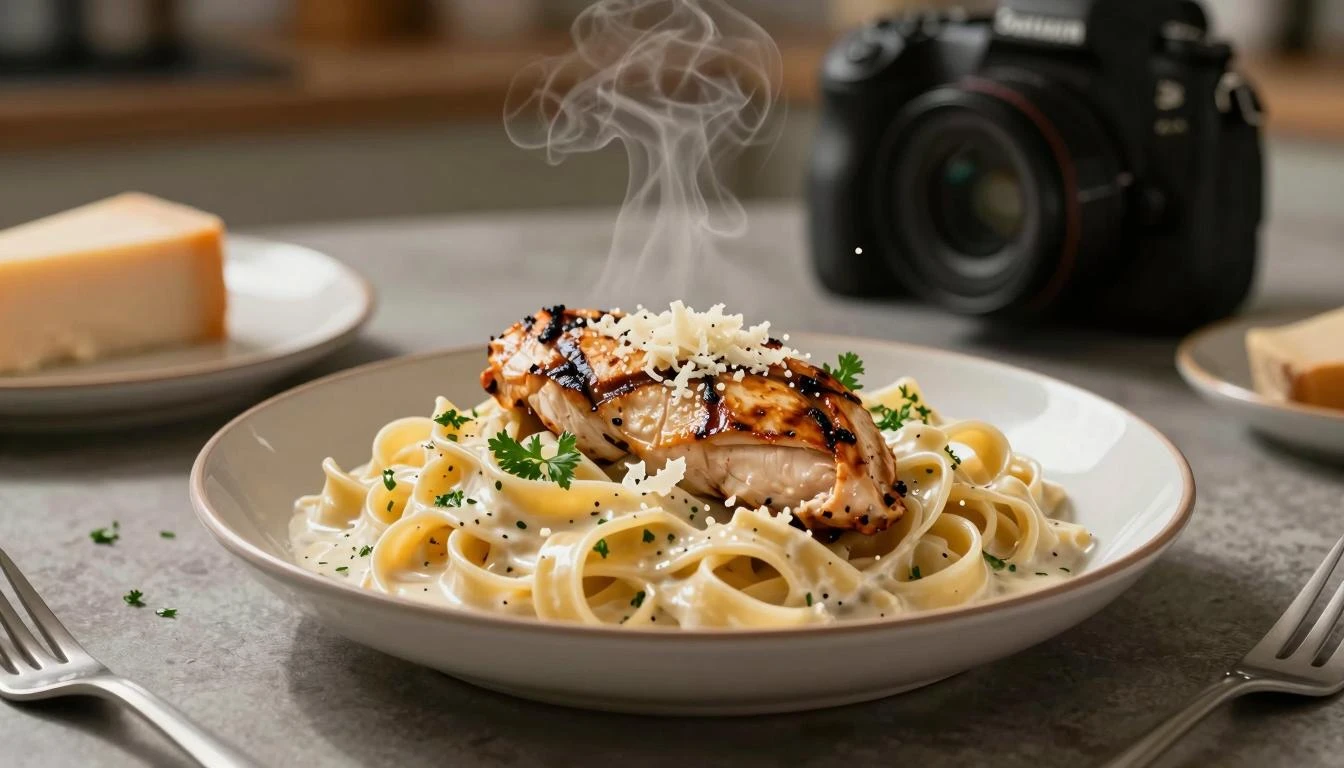
The transformation of food culture shows how modern italian cuisine trends 2026 are reshaping the future of Italian gastronomy. This evolution does not remove tradition but combines authentic techniques with technology, healthier concepts, and creative approaches. Why does Italian cuisine remain globally influential? Because it continuously adapts while protecting its identity.
The Evolution Of Italian Cuisine In 2026
Italian cuisine in 2026 reflects a balance between tradition and innovation. Chefs are creating new interpretations of classic dishes while maintaining the cultural foundation that makes Italian food unique.
The latest italian food trends 2026 highlight the demand for authentic, healthier, and more personalized dining experiences. Modern chefs are exploring new ingredients, cooking methods, and presentations to meet changing consumer expectations.
Fusion flavors in modern Italian dishes
Fusion flavors are becoming one of the strongest movements in contemporary Italian cooking. Chefs combine Italian techniques with global influences such as Asian, Middle Eastern, and Latin American flavors.
Traditional pasta, risotto, and sauces are being redesigned with creative ingredients while preserving their Italian character.
Health conscious Italian meal concepts
Modern consumers are increasingly focused on balanced nutrition. Italian cuisine naturally supports this through fresh vegetables, olive oil, grains, and seafood.
Restaurants are developing healthier concepts using seasonal ingredients, sustainable farming, and simple cooking techniques that maintain rich flavors.
Minimalist presentation trends
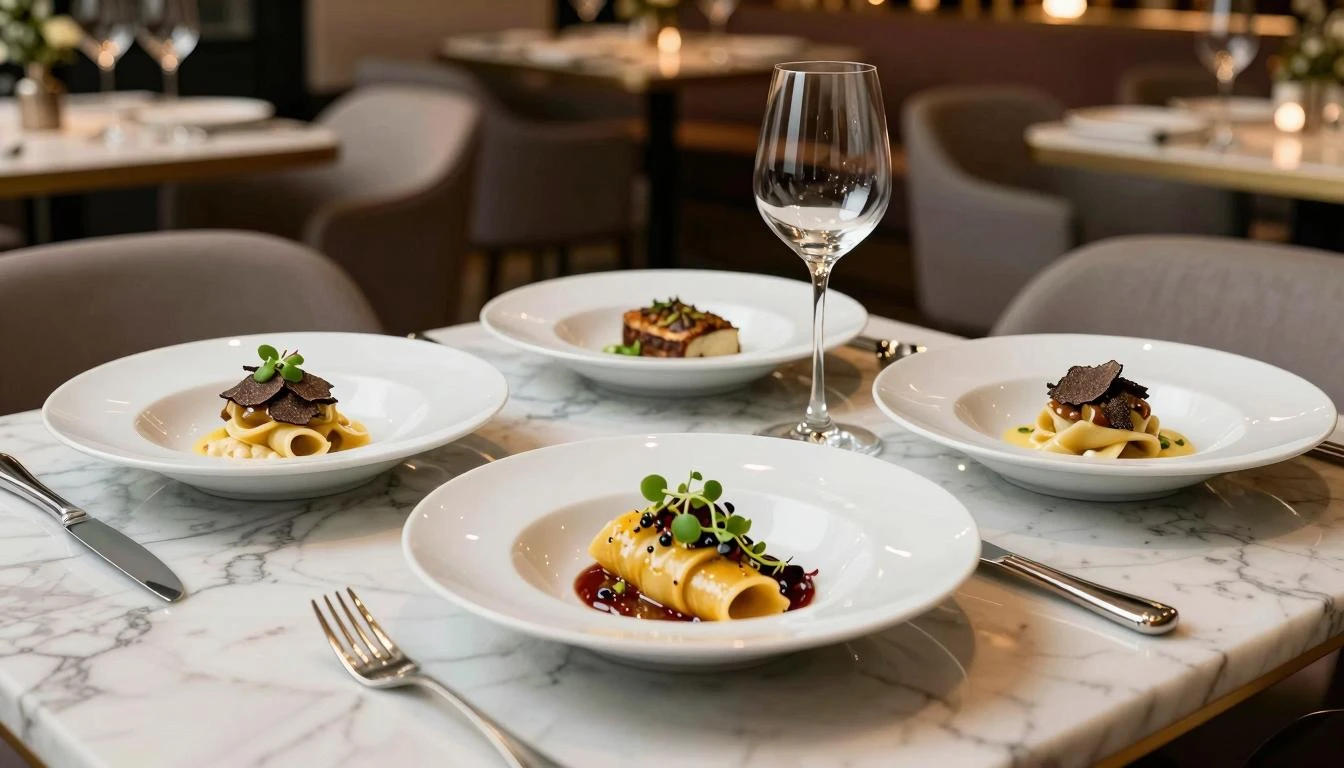
Italian dining is moving toward elegant simplicity. Instead of excessive decoration, chefs highlight the natural quality of ingredients.
Minimalist plating allows customers to appreciate texture, aroma, and authentic flavors through visually refined dishes.
Popular Ingredients In Contemporary Italian Cooking
Ingredients remain the heart of Italian cuisine. However, modern cooking focuses more on quality, sustainability, and transparency.
The growth of organic products, artisan ingredients, and responsible food production continues influencing the future of Italian meals.
Organic pasta and fresh vegetables
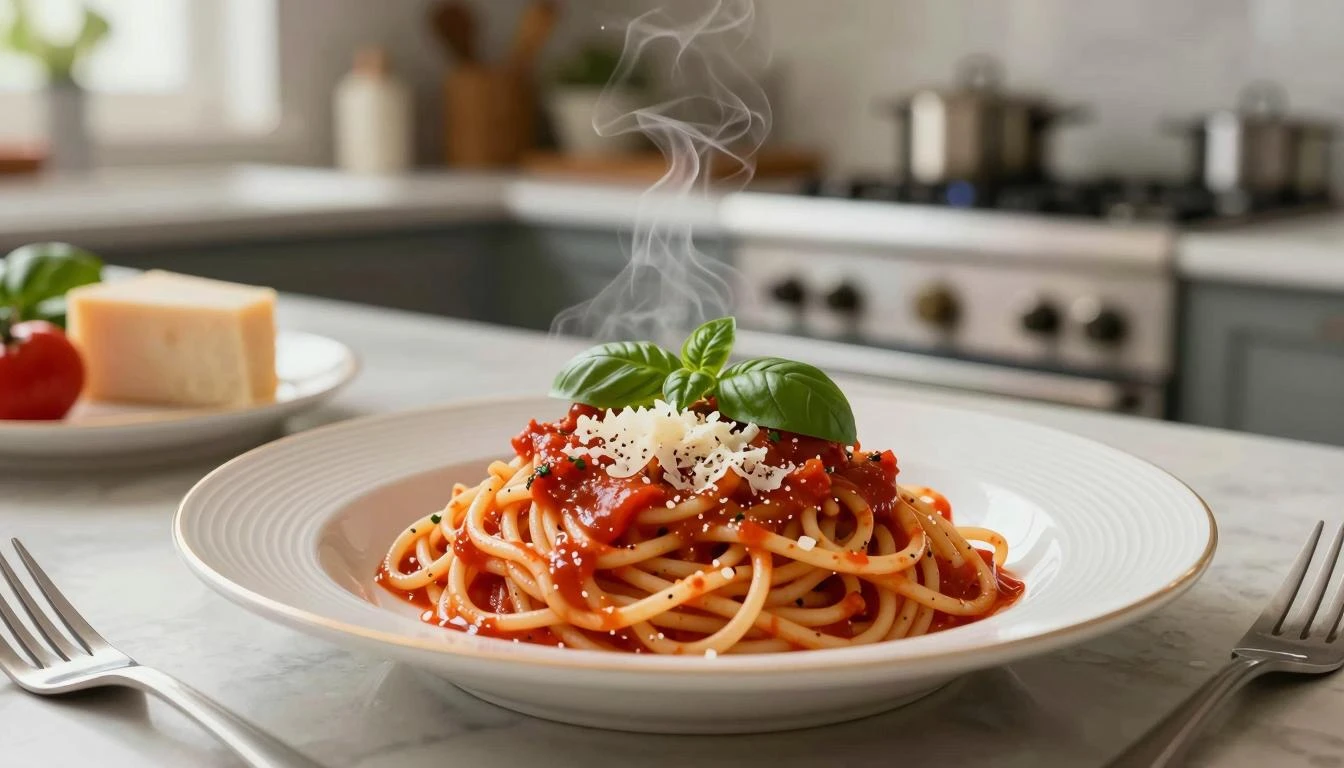
Organic pasta and traditional grains are becoming more popular as consumers seek higher-quality choices. Fresh vegetables, seasonal produce, and local ingredients are also redefining modern Italian recipes.
Premium olive oil innovations
Olive oil continues to be a symbol of Italian gastronomy. Producers are improving quality through sustainable methods, better preservation, and advanced traceability.
Premium olive oils now provide unique flavor experiences that enhance contemporary Italian dishes.
Plant based Italian food alternatives
Plant-based innovation is changing the way people experience Italian cuisine. Chefs are creating vegetable-focused meals, dairy-free desserts, and plant-based pasta alternatives while maintaining familiar Italian flavors.
Technology And Innovation In Italian Kitchens
Technology is becoming an important part of modern Italian kitchens. Traditional culinary skills are combined with digital solutions to improve efficiency and creativity.
Innovation helps chefs create better dining experiences while keeping human creativity as the core element.
Smart kitchen tools for Italian cooking
Smart kitchen tools support restaurants through better temperature control, inventory management, and cooking precision.
These systems reduce waste and allow chefs to focus on creating memorable dishes.
Social media driven food trends
Social media has changed how people discover food. Attractive Italian dishes can quickly gain global attention through online platforms.
Restaurants now create meals that are not only flavorful but also visually engaging for modern audiences.
AI inspired restaurant menu creation
Artificial intelligence helps restaurants analyze customer preferences, seasonal ingredients, and market trends.
Although AI provides valuable insights, human creativity remains essential in developing emotional and cultural connections through food.
Restaurant Trends Shaping Italian Dining
Modern Italian restaurants are creating complete experiences rather than simply serving meals. Customers want interaction, transparency, and connection with the cooking process.
This new approach transforms dining into a combination of culture, storytelling, and culinary artistry.
Open kitchen dining experiences
Open kitchens allow guests to observe the preparation process directly. Watching chefs create pasta and traditional recipes builds trust and appreciation.
Handmade pasta presentation styles
Handmade pasta represents authenticity and craftsmanship. Many restaurants now showcase pasta-making as part of the dining experience.
Different shapes, techniques, and presentations help customers understand the cultural value behind Italian food.
Luxury comfort food concepts
Luxury comfort food combines familiar flavors with premium ingredients. Classic Italian dishes are transformed through modern techniques while maintaining emotional connections.
Explore The Future Of Modern Italian Cuisine Today
The future of Italian cuisine is shaped by tradition, creativity, and innovation. The next generation of chefs continues proving that classic recipes can evolve without losing authenticity.
The biggest discovery in modern Italian cooking is that the future may come from rediscovering hidden possibilities inside traditional dishes.
According to Massimo Bottura, “Tradition is not the worship of ashes, but the preservation of fire.” This philosophy explains why Italian cuisine continues inspiring global food culture.
The journey of modern italian cuisine trends 2026 shows that innovation and heritage can grow together. By exploring sustainable ingredients, technology, and creative dining concepts, Italian cuisine remains relevant for future generations.