Restaurant Style Pasta At Home
Creating a memorable pasta dish is not only about following a recipe, but also understanding how ingredients, techniques, and creativity work together. Pasta has become a global favorite because it represents comfort, culture, and innovation in one plate. With the right approach, a simple homemade meal can become a restaurant-inspired dining experience.
Many people think professional pasta can only be created by chefs, but that idea is changing. You can create restaurant style pasta at home by mastering ingredient selection, sauce balance, cooking methods, and presentation. The secret is not expensive equipment, but understanding the small details that make every bite more enjoyable.
Secrets Behind Restaurant Quality Pasta
Creating high-quality pasta starts with understanding the foundation behind every great dish. The right ingredients, cooking techniques, and flavor combinations help transform ordinary pasta into something more refined.
A successful homemade restaurant pasta experience begins with choosing ingredients carefully and understanding how each element works together. Professional chefs focus on balance because harmony between flavors creates a more satisfying meal.
Choosing premium pasta ingredients
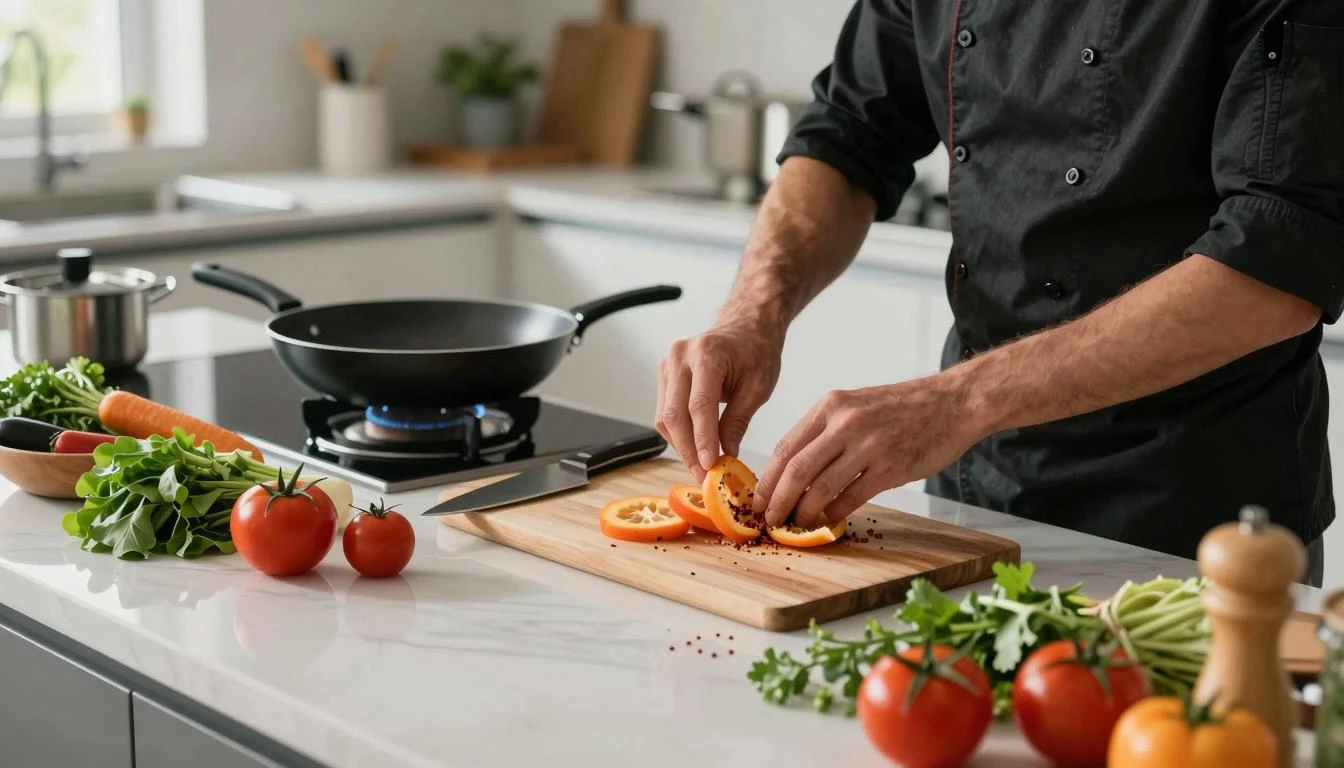
Ingredient quality has a major impact on pasta flavor. Durum wheat pasta, fresh vegetables, extra virgin olive oil, herbs, and authentic cheese can create deeper and richer results.
Modern pasta cooking also combines traditional methods with global influences, allowing home cooks to explore new flavors while maintaining professional techniques.
Perfect pasta texture techniques
Texture is one of the most important parts of restaurant-quality pasta. Achieving the ideal al dente texture requires attention to cooking time, water temperature, and preparation methods.
Many chefs finish pasta inside the sauce because pasta starch helps create a smoother connection between noodles and flavors.
Professional sauce consistency tips
A balanced sauce should enhance the pasta instead of overpowering it. The right consistency allows the sauce to coat every piece evenly.
Controlling heat, mixing properly, and adding ingredients gradually can create a smoother texture similar to professional restaurant dishes.
Building Rich And Flavorful Pasta Sauces
Sauce is the heart of a pasta dish. Different cultures create unique variations, from creamy sauces to rich tomato-based recipes. Understanding sauce techniques helps you develop deeper flavors and better results.
Using homemade restaurant pasta methods means paying attention to ingredient combinations. A well-prepared sauce can make a simple pasta dish feel luxurious and memorable.
Cream based sauce preparation
Cream-based sauces require balance to create richness without becoming too heavy. Ingredients like parmesan cheese, butter, garlic, and herbs help produce a smooth and elegant taste.
Slow cooking keeps the sauce stable and creates a silky texture similar to fine dining pasta dishes.
Tomato sauce balancing methods
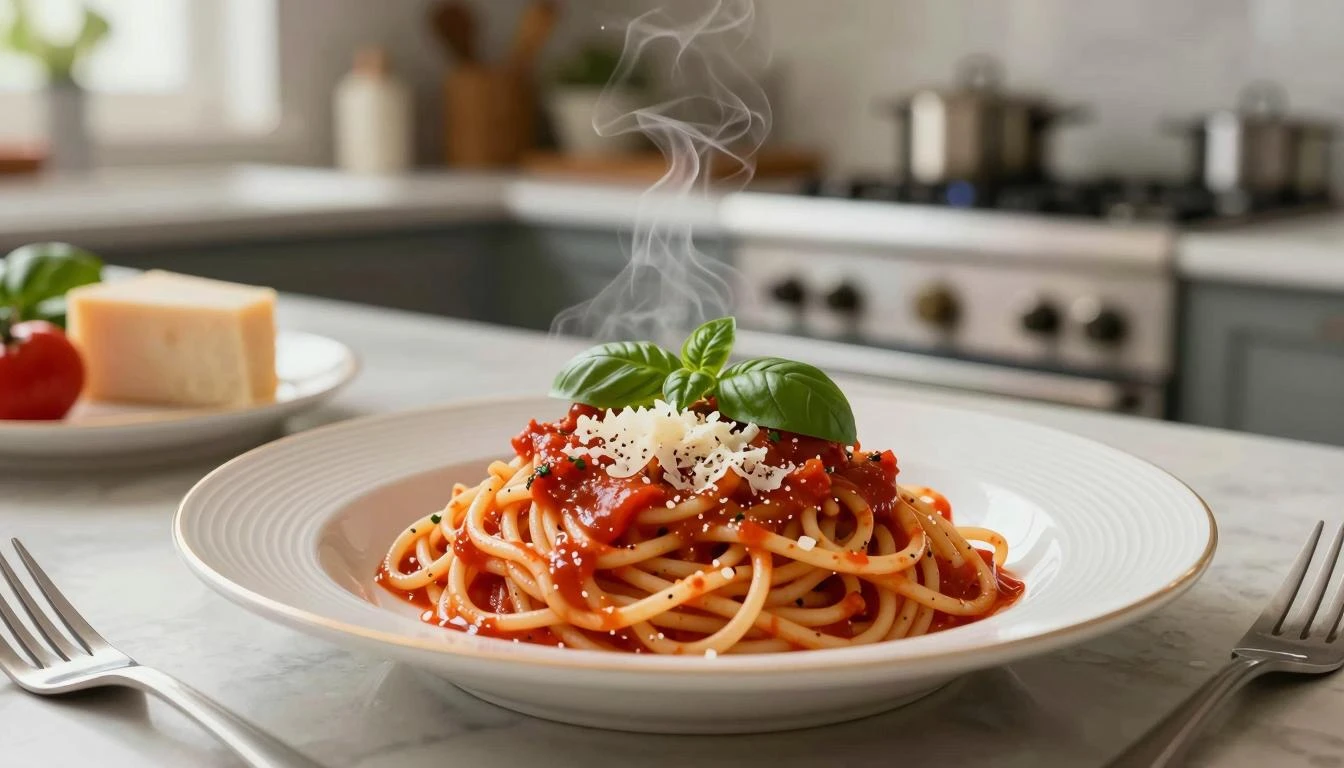
A great tomato sauce depends on balancing acidity, sweetness, and seasoning. Tomatoes combined with herbs, olive oil, and roasted ingredients can create a more complex flavor.
Modern cooking techniques such as slow cooking and roasting help develop a richer sauce profile.
Cheese blending techniques for smooth texture
Cheese adds depth, creaminess, and character to pasta. Combining cheese with warm pasta water creates a smooth emulsion that improves sauce texture.
This simple technique helps create a professional finish without complicated preparation.
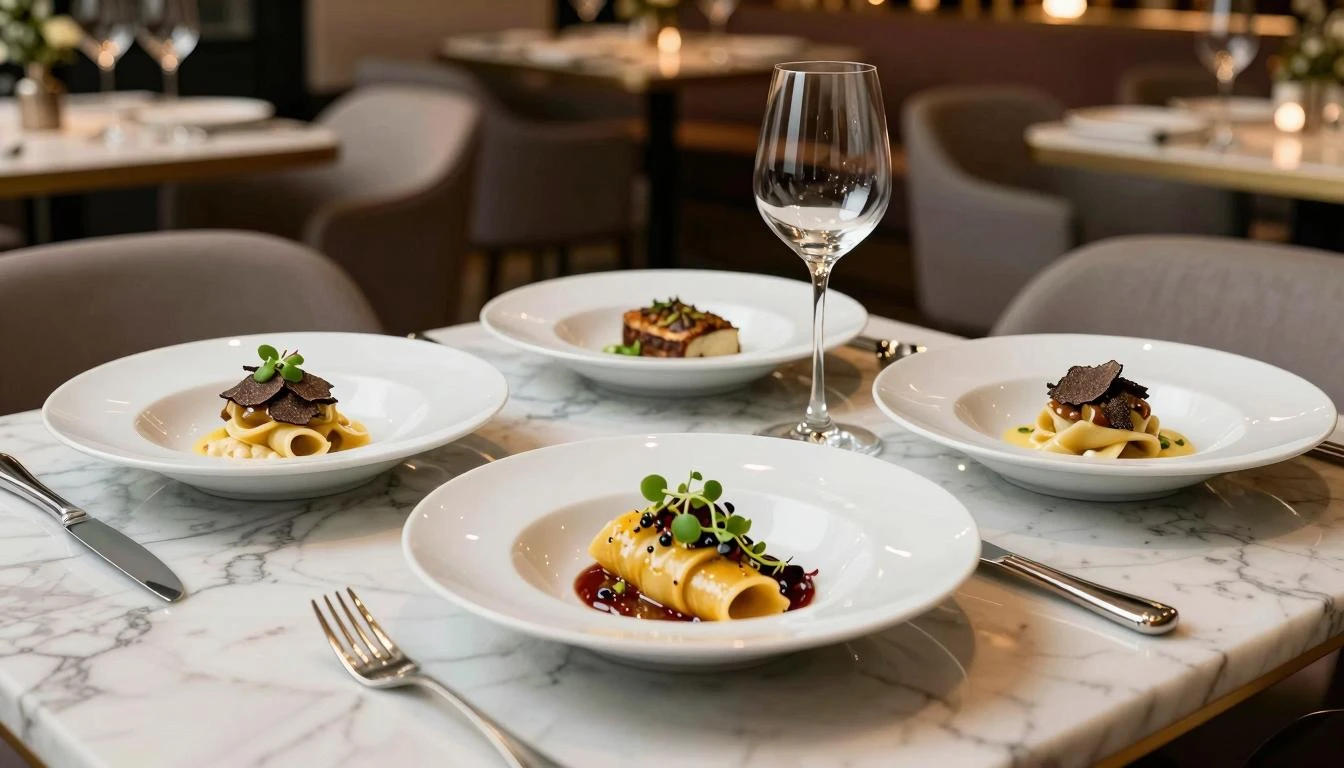
Professional Pasta Presentation Ideas
Presentation affects how people experience food. A beautifully arranged plate can make a simple pasta recipe feel more special and inviting.
Professional plating focuses on balance, simplicity, and creating a connection between appearance and flavor.
Elegant plating techniques at home
Restaurant-style presentation can be achieved by controlling portions, arranging pasta neatly, and selecting suitable plates.
Small details such as pasta placement and ingredient arrangement can improve the overall dining experience.
Garnishing pasta like a chef
Garnishes should support the main dish. Fresh herbs, cheese, olive oil, and carefully selected toppings can add flavor and visual appeal.
Professional chefs often use simple decoration to keep attention on the main ingredients.
Creating restaurant style dining atmosphere
A great pasta experience is not only about taste. Lighting, table arrangement, and serving style can create a more enjoyable atmosphere.
Small environmental details can turn an ordinary dinner into a memorable moment.
Restaurant Inspired Pasta Trends In 2026
Pasta continues to evolve through global food trends, combining traditional recipes with modern creativity. In 2026, many pasta dishes focus on unique flavors, premium ingredients, and attractive presentation.
These developments show that pasta remains one of the most flexible foods in the world.
Viral gourmet pasta creations
Social media has influenced new pasta trends through creative recipes, unique shapes, and visually appealing dishes.
These ideas encourage home cooks to experiment and discover new ways to enjoy pasta.
Modern luxury comfort food ideas
Luxury comfort food combines familiar flavors with upgraded ingredients. Pasta represents this trend because it can be simple yet sophisticated.
Chefs and home cooks continue creating modern versions of classic recipes with innovative techniques.
Social media worthy pasta presentation
Food presentation has become part of modern cooking culture. A beautiful pasta dish can tell a story and inspire others to recreate the experience.
Visual appeal now plays an important role in how people discover and appreciate food.
Bring Restaurant Style Pasta Into Your Kitchen Tonight
Creating restaurant style pasta at home is about understanding ingredients, improving techniques, and adding creativity. You do not need a professional kitchen to make impressive pasta, you only need curiosity and attention to detail.
Chef Massimo Bottura highlights “that cooking can be a way of expressing stories and emotions through ingredients.” This shows that every dish can have meaning beyond flavor. Food researcher Harold McGee also explains that understanding cooking science helps people make better decisions because ingredients transform differently through each process.
The biggest improvement in home cooking often comes from learning why each step matters, not simply following instructions.