Smart Cooking Tips For Better Meals
Cooking is not only about following recipes but also about creativity, knowledge, and simple decisions that transform everyday food into meaningful meals. Understanding the right cooking approach can help you create dishes that are more delicious, efficient, and enjoyable.
In today’s fast-changing food world, applying smart cooking tips helps anyone improve kitchen skills and create better meals without complicated methods. Small improvements in choosing ingredients and cooking techniques can make a big difference in flavor, texture, and confidence. Cooking smarter means understanding each step to achieve better results.
Essential Cooking Habits For Better Results
Great meals often begin with simple habits before cooking starts. Building an organized routine helps save time, reduce mistakes, and create more consistent results.
A strong kitchen foundation comes from better meal preparation, where planning, organizing ingredients, and managing cooking steps become important parts of creating successful dishes.
Organizing ingredients before cooking
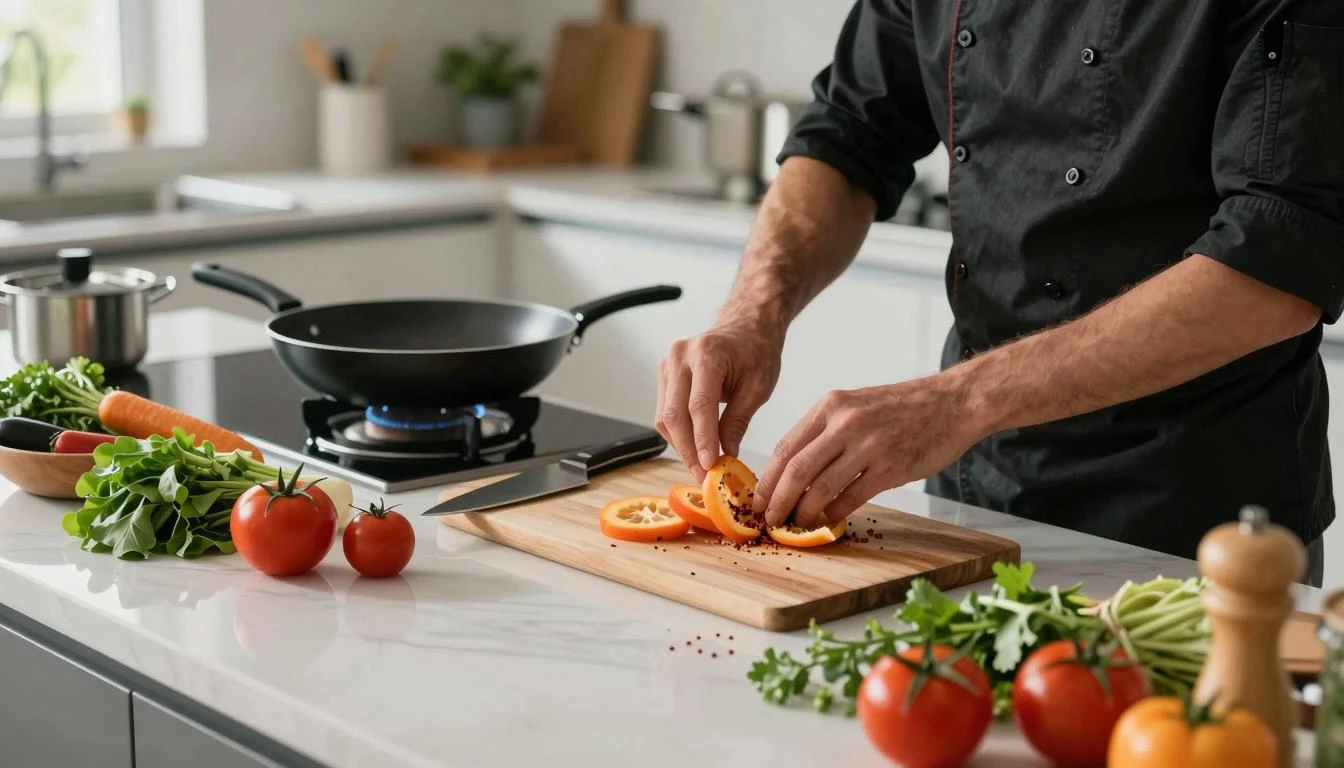
Preparing ingredients before cooking helps create a smoother process. This technique, known as mise en place, allows you to arrange vegetables, spices, sauces, and tools before starting.
Organized preparation improves focus, prevents mistakes, and helps you control cooking time more effectively.
Understanding proper heat control
Heat control is a key cooking skill that affects flavor and texture. Different ingredients require different temperatures to achieve the best results.
Using the right heat helps preserve moisture, enhance natural flavors, and prevent food from becoming overcooked.
Using fresh ingredients effectively
Fresh ingredients can improve the taste and quality of meals. Seasonal vegetables, fresh herbs, and quality proteins provide stronger flavors and better nutritional value.
Simple recipes can become more enjoyable when ingredients are carefully selected and prepared.
Kitchen Techniques That Save Time
Modern lifestyles require practical cooking methods that fit busy schedules. Efficient techniques help you prepare quality meals without spending unnecessary time.
Smart organization and preparation strategies make cooking easier while reducing waste and effort.
Meal prep methods for busy schedules
Meal preparation helps simplify daily cooking. Preparing ingredients in advance, planning meals, and storing portions can make busy days more manageable.
Good preparation allows you to spend more time enjoying the cooking process.
Faster chopping and preparation tips
Improving knife skills can increase speed and accuracy. Proper cutting techniques create even cooking results and better food presentation.
Using the right tools and practicing efficient movements can make preparation faster.
Smart storage for fresh ingredients
Proper storage helps maintain ingredient freshness and reduce food waste. Organized containers and suitable storage methods can extend food quality.
A cleaner kitchen system also makes cooking more convenient.
Flavor Boosting Cooking Strategies
Creating flavorful meals requires understanding how ingredients work together. Balance between seasoning, aroma, texture, and presentation creates a better eating experience.
Balancing seasoning correctly
Seasoning is the foundation of delicious cooking. Balancing salt, sweetness, acidity, bitterness, and umami can improve the overall taste of a dish.
Food researcher Harold McGee stated, “Cooking is about transformation, turning simple ingredients into something greater.” This shows that cooking is not only about ingredients but also about understanding the process.
Combining herbs and spices naturally
Herbs and spices add depth and personality to food. Fresh herbs bring brightness, while spices create warmth and complexity.
Learning flavor combinations helps home cooks explore different cuisines with confidence.
Improving texture in home cooked meals
Texture influences how people enjoy food. Techniques such as roasting, steaming, grilling, and slow cooking create different textures that make meals more satisfying.
Modern Cooking Trends In 2026
Cooking continues to evolve through technology, health awareness, and sustainability. Modern kitchens are becoming more creative and adaptable.
Understanding new trends helps people create meals that match current lifestyles.
AI assisted cooking inspiration
Artificial intelligence is changing the cooking experience by helping users discover recipes and personalized meal ideas.
AI cooking tools can provide inspiration based on ingredients, preferences, and cooking goals.
Healthy comfort food innovations
Comfort food is becoming healthier through balanced ingredients and improved cooking methods.
Modern cooking focuses on creating meals that are both satisfying and supportive of a healthy lifestyle.
Sustainable cooking practices at home
Sustainable cooking focuses on reducing waste and using ingredients wisely. Choosing seasonal products and creatively using leftovers can create positive changes.
Small actions in the kitchen can support a more responsible food culture.
Start Cooking Smarter And Enjoy Better Meals
Cooking smarter is about improving habits, exploring creativity, and understanding the process behind every meal. Small changes in preparation, technique, and ingredient choices can create better results.
Chef Julia Child once said, “The only real stumbling block is fear of failure. In cooking, you’ve got to have a what-the-hell attitude.” This reminds us that confidence grows through practice and exploration.
By applying smart cooking tips, anyone can develop better kitchen skills and create more enjoyable meals. Start experimenting, keep learning, and make every cooking experience more meaningful.